
Where to find help for growing Roses?
Growing roses in Arizona is not difficult, but it does take some planning and attention. If you would like to see what varieties of roses do well in the AZ climate, a visit to a local public garden is a good place to start. The Rose Society of Glendale helps out at the Sahuaro Ranch Park Rose Garden - this has been recently renovated and would be a good place to investigate rose varieties. The Mesa Community College Garden has a variety of roses planted - that are labeled by variety name, and it can give you some great ideas for your own garden. Attending a local rose society meeting and seeking advice from their members is another good resource. Rosarians are always willing to talk about their favorite flower. See the Consulting Rosarians on the home page for information.
Want to see habits of a roses? Click here
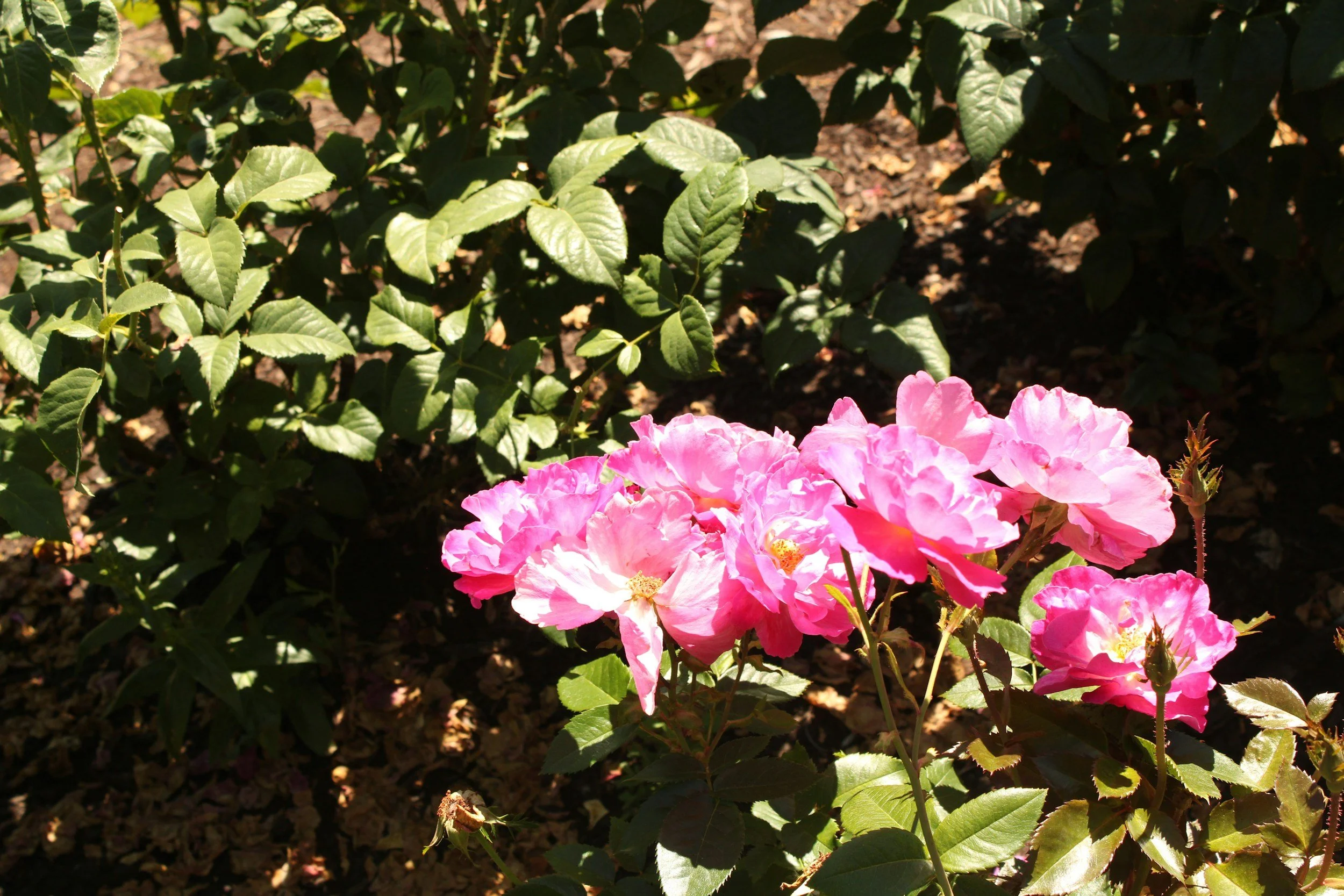
Roses that Grow well for us
-
Veterans Honor
Hybrid Tea dark red
-
Miss Flippins
Miniature red
-
Ring of Fire
Hybrid Tea orange with yellow base
-
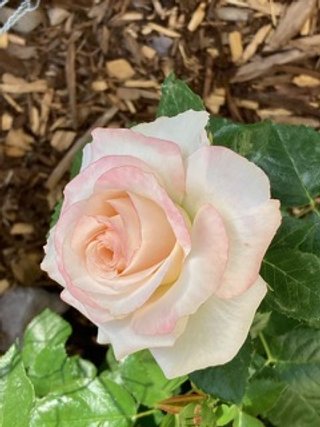
Marilyn Monroe
Hybrid Tea apricot
-
Firefighter
Hybrid Tea dark red fragrant
-
Hot Princess
Hybrid Tea deep pink
-
Night Owl
Large flowered Climber red purple shading
-
Incognito
Miniature mauve
-
Dainty Bess
Hybrid Tea single petal salmon pink
-
Gemini
Hybrid Tea orange with yellow
-
Sally Holmes
Shrub near white
-
Julia Child
Floribunda yellow
-
Midas Touch
Hybrid Tea yellow moderate fragrance
-
Moonlight In Paris
Shrub apricot fragrant
-
Miss All American Beauty
Hybrid Tea medium pink
-
America
Climber coral
-
St Patrick
Hybrid Tea yellow green shading
-
Cecile Brunner
Polyantha pink light pink
-
Pink Peace
Hybrid Tea pink violet pink reverse
-
Iceberg
Floribunda white
-
Gertrude Jeykell
David Austin shrub pink fragrant
-
Joseph’s Coat
Climber orange yellow pink blend
Cycles of Rose Care
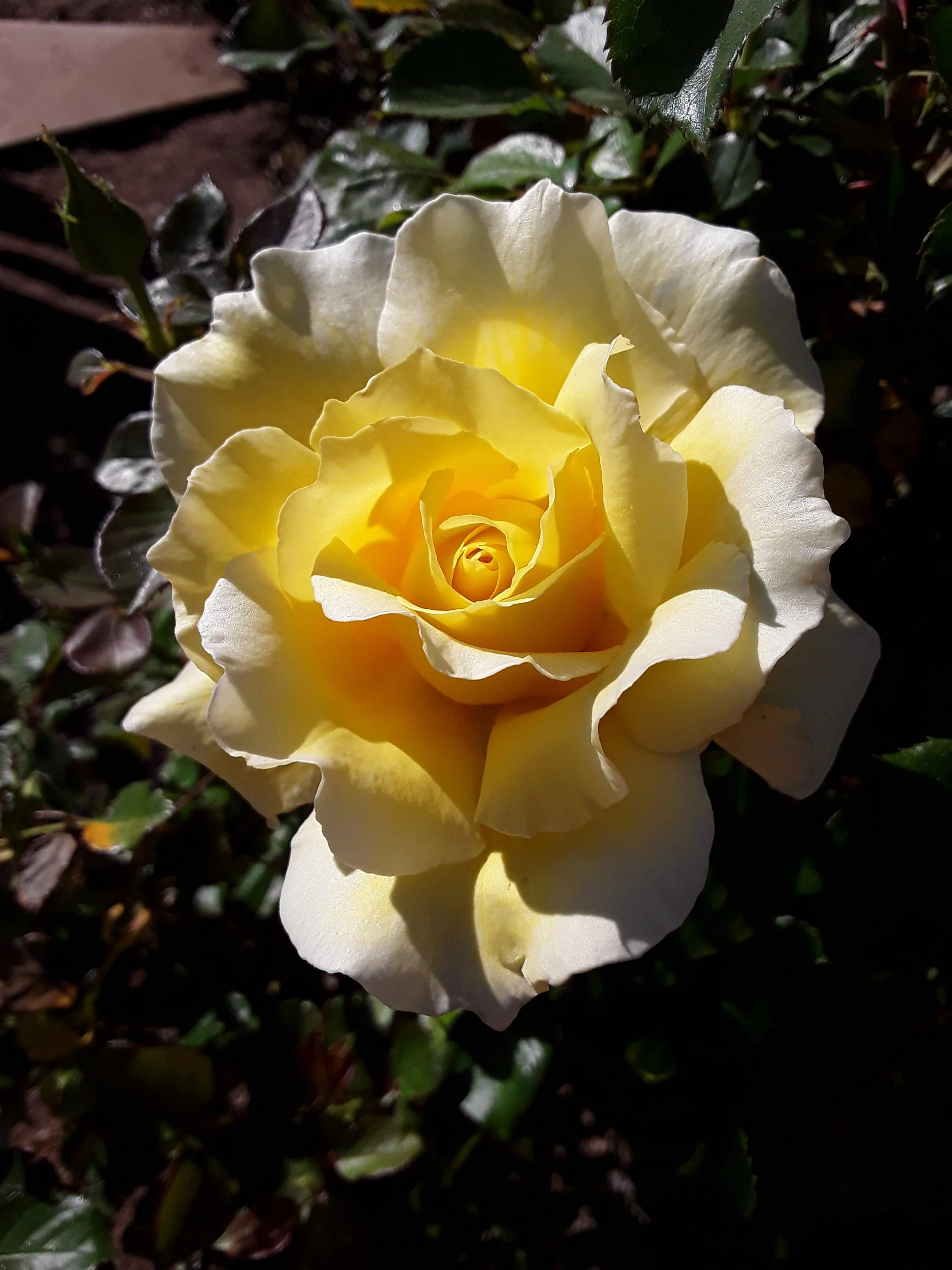
Organic Practices and Integrated Pest Management
Integrated pest management (IPM) is a philosophy that urges a systems approach to manipulate pest densities. Programs based on this philosophy rely on field scouting or monitoring efforts and historical information upon which to make management decisions. All methods for manipulating pest populations are considered, and management programs use a combination of biological, non-chemical (cultural, physical and mechanical) and chemical methods over time to achieve management objectives. These programs strive to be 1) the least environmentally destructive, 2) the most effective for manipulating pest densities, and 3) the most cost effective.
Methods defined as "organic" certainly are valid options for implementation. However, IPM programs do not eliminate the potential for using methods and materials not defined as organic.
Interested in learning more? Check out these links!
Diseases
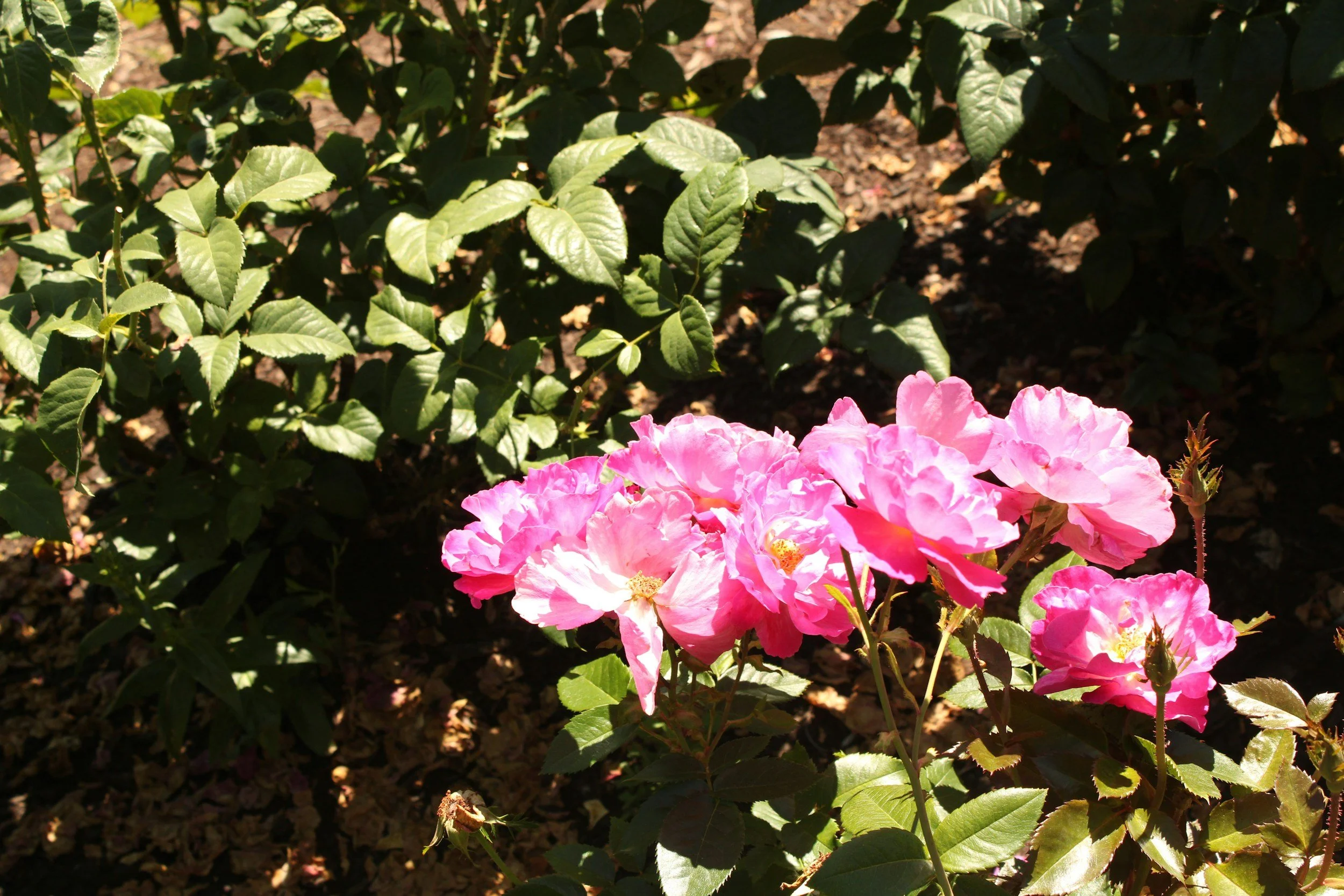
Due to the extra rain and cooler temperatures powdery mildew is showing up on the roses. A good hard spray of water can break up the spores, make sure to get on the underside of your leaves and buds. Spray mid morning so your plant has time to dry off before the night cools down.